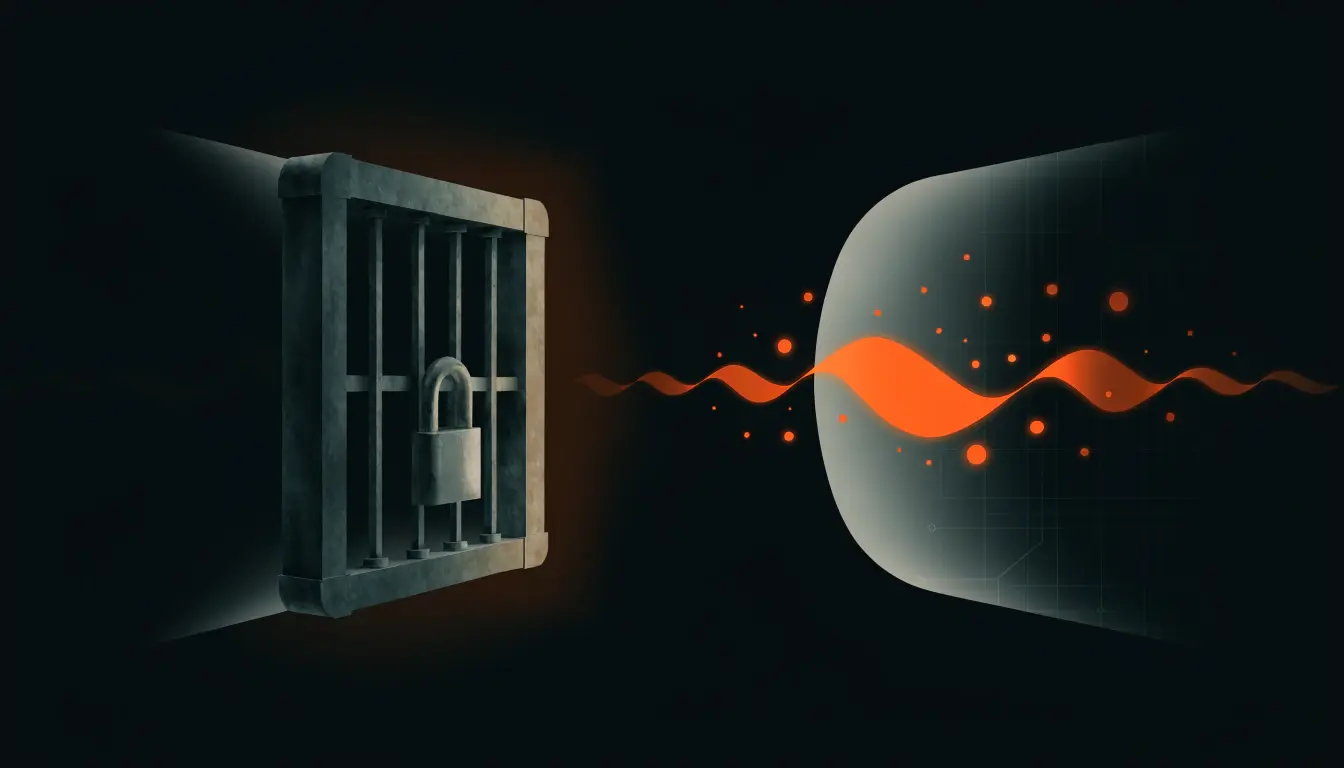
You can lock down a browser. You cannot lock down a conversation.
That single sentence explains most of the confusion around using Proctorio for interviews. Proctorio is very good at what it was built for: securing an online exam inside a controlled window. A live remote interview is the opposite shape. It is a two-way conversation on Zoom, Google Meet, or Microsoft Teams, on a machine you do not own, where the person is supposed to talk, share a screen, whiteboard, and think out loud. There is no single locked window to seal.
This is an honest comparison, not a hit piece. Proctorio wins a real job. Trueyy wins a different one. The mistake teams make is pointing exam tooling at an interview problem and wondering why it feels wrong. Here is the actual line between the two, and a plain verdict on which fits which job.
What Proctorio is built for
Proctorio is remote exam and test proctoring. It runs as a browser extension tied to a learning management system, and its core move is lockdown. Straight from its online proctoring product page, the "Lock Down Settings" include Force Full Screen, Only One Screen, Disable New Tabs, Close Open Tabs, Disable Printing, Disable Clipboard, Disable Right Click, Clear Cache, and Prevent Re-Entry. On top of that it can Record Video, Record Audio, Record Screen, Record Web Traffic, and even Record Desk, verify identity, and then rank each attempt with a suspicion score on a red, yellow, and green scale for a human to review afterward.
That is a coherent, well-designed system for one specific situation: a single person answering fixed questions inside a window you control. For a certification exam, a timed skills test, or a take-home assessment that lives in an LMS, lockdown is exactly right. You want the tabs closed, the clipboard disabled, and the whole session recorded, because the task is one-directional and the environment is yours to constrain.
Proctorio is honest about its purpose too. Its marketing centers on protecting "the value of a hard-earned education." It is exam software. It was never pitched as an interview tool.
What breaks when you aim exam lockdown at an interview
A live interview violates almost every assumption lockdown depends on.
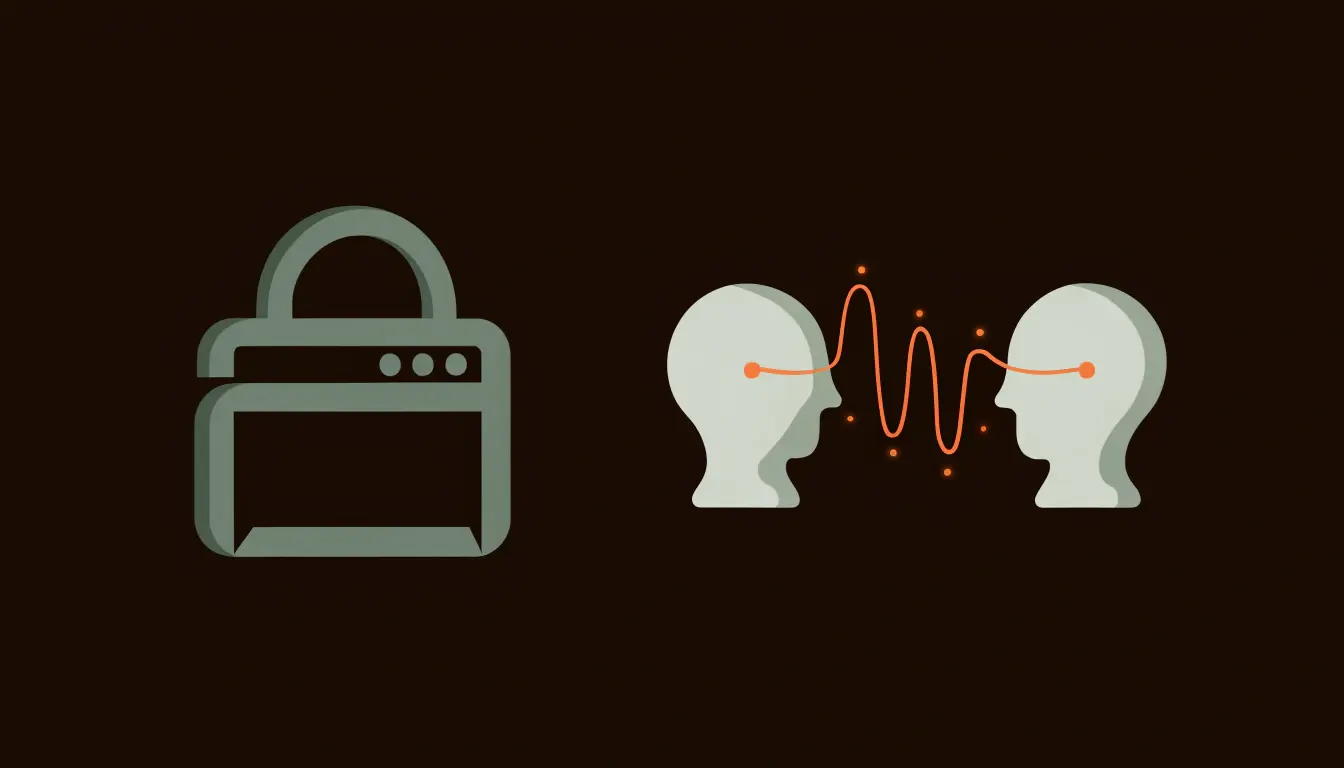
- There is no single window to lock. A candidate needs their video, their screen share, maybe an IDE or a design file, and a browser for the coding pad. Forcing full screen and killing tabs breaks the interview itself.
- The threat has moved off the browser. The tools candidates actually reach for now are invisible AI overlays like Cluely and Interview Coder. They render below the screen-share layer and feed answers in real time. A browser lockdown does not see them, because they never touch the browser. There are even guides teaching people to route around lockdown with exactly these overlays.
- You do not control the machine. In an exam, the institution can mandate a locked environment. In hiring, you are a guest on someone's personal laptop for 45 minutes. Demanding deep lockdown of a job candidate's whole machine is both impractical and a bad candidate experience.
- Recording everything is heavier than the job needs. Exam proctoring stores full webcam video. For a conversational interview, wall-to-wall video capture raises privacy and consent questions that most hiring teams would rather not take on.
None of this is a Proctorio flaw. It is a category error. You are using a lock where you need a smoke detector.
The pressure is real, which is why teams keep reaching for whatever tool is nearby. In one 2025 survey of 3,617 professionals, 20% admitted secretly using AI during interviews and 55% called it the new norm. And the confidence gap is wide: a Checkr survey of 3,000 managers found 59% suspect candidates misrepresent themselves with AI, while only 19% are confident their process would actually catch it. Exam lockdown does not close that gap for interviews, because the interview was never the browser.
What Trueyy is built for
Trueyy starts from the interview as it actually happens. It does not replace your Zoom, Meet, or Teams call and it does not lock the candidate's machine. It sits beside the call and reads device-level signals on the candidate's computer in real time, with their consent, no browser lockdown and no heavy install.

Instead of sealing a window, it watches for the signals a hidden AI assistant leaves behind. It scores risk roughly every 30 seconds across three surfaces: apps and screen activity, keystroke and paste patterns, and voice signals. It recognizes ChatGPT, Claude, Gemini, Copilot, Cluely, Interview Coder, and 50-plus tools by the structure of what they produce, not a keyword blocklist, so a tool that renames itself does not slip through. Reading-gaze detection is on the roadmap, not live yet, so we do not count it as a current signal.
The privacy posture is deliberately lighter than exam proctoring. No video is recorded or stored on Trueyy servers. Interview audio is transcribed, and screenshots are captured, encrypted, and retained per policy. There is no biometric identification, and a human always makes the final call. The output is a risk timeline you can review, not a verdict the software hands down.
That is the whole difference in one line: Proctorio controls the environment; Trueyy reads the signal in an environment it cannot control.
Capability comparison
| Proctorio | Trueyy | |
|---|---|---|
| Built for | Online exams and tests in an LMS | Live remote job interviews |
| Environment | Browser lockdown, controlled window | Sits beside Zoom / Meet / Teams, no lockdown |
| Candidate footprint | Extension plus locked browser | Lightweight, consent-based, no heavy install |
| Two-way conversation | No, one-directional assessment | Yes, real dialogue and screen share |
| Detects AI overlays (Cluely, Interview Coder) | Not the focus | Yes, 50+ tools by structural output signatures |
| Signals | Webcam / audio / screen recording, browser events | Apps / screen, keystroke / paste, voice; risk scored ~30s |
| Video | Records and stores video | No video recorded or stored on servers |
| Output | Suspicion score plus recordings | Risk timeline; human stays in final decision |
| Best fit | Certification and timed tests | Conversational technical and behavioral interviews |
Which tool wins which job
Plainly:
- Choose Proctorio for high-stakes exams, certifications, and timed assessments that live inside a browser or LMS. When the task is one person answering fixed questions in a window you can control, lockdown is the correct tool and Trueyy is not what you want.
- Choose Trueyy for live, two-way interviews on Zoom, Meet, or Teams, where the risk is real-time AI assistance and you cannot, and should not, lock down someone's personal machine. Signal reading beside the call fits the shape of the problem; lockdown does not.
If your process has both, use both. Proctor the take-home test with an exam tool, then run the live interview with an interview tool. The failure mode is forcing one tool to do the other's job. For a wider view of the landscape, our roundup of the best AI cheating detection tools covers where each category fits, and our full comparison page lines Trueyy up against the alternatives feature by feature.
A word on fairness and false positives
Whichever tool you use, the goal is a level field for honest candidates, not surveillance. Suspicion scores and risk timelines are inputs to a human decision, never the decision itself. A nervous candidate, a non-native English speaker, or someone who pauses to think can trip a single signal without doing anything wrong. That is why Trueyy weighs multiple signals together, keeps a person in the loop, and asks for consent up front. Any monitoring you run should be transparent, consistent across candidates, and generous about the benefit of the doubt. A tool that produces false positives you act on blindly is worse than no tool at all.
Frequently asked questions
Can you use Proctorio for job interviews?
You can, but it is a poor fit. Proctorio is built to lock down a browser-based exam, and a live interview is a two-way conversation you cannot seal into one window. Its lockdown and full recording were designed for controlled assessments, not for reading real-time AI assistance during a Zoom or Meet call. For interviews, a purpose-built interview tool fits the shape of the problem better.
Is Trueyy a Proctorio alternative?
For live interviews, yes; for exams, no. Trueyy is not exam-lockdown software and does not try to be. If you are running high-stakes tests inside an LMS, Proctorio or a similar exam proctor is the right category. If you are running conversational remote interviews and worried about hidden AI overlays, Trueyy is the better fit because it reads device-level signals beside the call instead of locking the machine.
What is the difference between exam proctoring and interview proctoring?
Exam proctoring controls the environment: it locks the browser, disables tabs and clipboard, and records the session while a person answers fixed questions. Interview proctoring reads signals during an open conversation you do not control, on a machine you do not own, where the candidate is supposed to talk and share their screen. One seals a window; the other listens for the tells of hidden assistance.
Does Trueyy lock down the candidate's browser like Proctorio?
No. Trueyy does not lock the browser, force full screen, or take over the candidate's machine. It sits beside your existing video call and reads device-level signals with the candidate's consent, no heavy install required. That lighter footprint is deliberate, because you cannot reasonably lock down a job candidate's personal laptop the way an institution can lock down an exam.
Can Proctorio detect Cluely or Interview Coder overlays?
Detecting real-time AI overlays is not what browser lockdown is designed for. Tools like Cluely and Interview Coder render below the screen-share layer and never touch the exam browser, so a lockdown approach is not aimed at them. Trueyy recognizes those tools and 50-plus others by the structure of their output, scoring risk in near real time during the interview.
Proctorio and Trueyy are not rivals so much as tools for two different jobs. Lock down the exam. Read the signals in the interview. If your remote interviews are the part keeping you up at night, book a demo and see how Trueyy fits beside the calls you already run.